
Quick answer: Women’s groups help in rehab because many women find it easier to speak honestly about trauma, relationships, motherhood and shame with other women. Women often develop substance use disorders faster than men, are more likely to have co-occurring depression, anxiety or PTSD, and many have histories of trauma or abuse. SAMHSA guidance indicates that programming designed for women helps them stay engaged in treatment and continuing care.

If you’re a woman searching for rehab for women in Louisiana, wondering whether treatment is right for you, or looking for help for your daughter, your sister, or your mom, I want you to hear this first. What you’re feeling is normal. You are not alone. And you’ve come to the right place to start finding answers.
Women come to addiction treatment carrying a lot. Many of them are moms or caregivers. Many are professionals with a high-stress workload. Many have spent years holding everyone else together while quietly falling apart. Many women walk through our doors feeling like they are a burden on others.
Here’s the truth. Addiction is not a choice or a moral failing. It’s an illness. For women, that illness often looks different, starts differently, and heals differently than it does for men. That’s why women-specific groups and community in addiction treatment matters so much, whether you’re searching for drug or alcohol rehab in Louisiana or anywhere else.
Why Women Need Gender-Specific Addiction Treatment
The Substance Abuse and Mental Health Services Administration (SAMHSA) published a whole treatment guide on this: TIP 51, Addressing the Specific Needs of Women. The message is clear to professionals and paraprofessionals in the addiction treatment space. Women’s treatment must be handled differently than it is for men. Here’s some of what SAMHSA’s clinician guide based on TIP 51 tells us (Quick Guide for Clinicians):
• Addiction happens faster to women. Women tend to develop substance use disorders and related health problems in less time than men, often after using less.
• Relationships matter deeply. Women are more likely to see building relationships as an essential part of treatment and their recovery. Many women have to work on untangling their relationships from their substance use.
• Co-occurring mental health diagnoses. Women are more likely than men to also be struggling with depression, anxiety, PTSD, or an eating disorder.
• Hormonal changes. As women’s hormones change throughout their life, especially after childbirth or menopause, it can make them more vulnerable to substance misuse and developing addictions.
• The barriers are real. Fear of losing custody of their children, worry about being judged, and a lack of childcare keep many women from asking for help.
Also, at times if a woman is the primary caregiver of children in a relationship, her partner may struggle to support her being away from home due to stress.
The National Institute on Drug Abuse adds that women may be more vulnerable to cravings and relapse, and that alcohol-related death rates are 50 to 100% higher for women than for men (NIDA).
None of this means women are weaker. It means women deserve care that sees the complexities of a woman’s biology, psychology, and lived experience.
Trauma and Addiction in Women: Often Part of the Story
For so many women, substance use can onset following a traumatic event or a series of traumatic events.
SAMHSA’s guide on trauma-informed care reports that more than half of women seeking substance use treatment have experienced at least one traumatic event in their lifetime (TIP 57). The National Institute on Drug Abuse estimates that up to 80% of women seeking treatment have a lifetime history of physical and/or sexual assault (NIDA). NIDA also notes that intimate partner violence is linked to substance use and its progression, particularly for women (NIDA).
Read those numbers again. For many women, alcohol or drugs became a way to survive something unbearable. That’s not weakness. That’s a person doing the best she could with circumstances that happened to or around her.
This is why trauma-informed care matters so much. SAMHSA’s trauma-informed approach centers on safety, trustworthiness, choice, collaboration, and empowerment, and it names gender as something care must account for (SAMHSA principles, via youth.gov). Healing can’t begin until a woman feels safe enough to tell the truth about what happened to her.
Why Women-Only Process Groups Matter in Rehab
Process groups are where so much of the real work of recovery happens. Process groups are exactly what they sound like; for women to process emotions or experiences with one another and build community. It’s where a woman says the thing she’s never said out loud. It’s where she hears another woman say, “Me too,” and realizes she isn’t broken.
Openness, vulnerability, and honesty needs safety, and for many women, a room full of men or even a mixed group doesn’t feel safe.
Think about it. If a woman’s trauma came at the hands of a man, how likely is she to talk openly about it with men sitting across from her? SAMHSA’s trauma-informed care guide uses almost exactly this example. It describes a woman who survived a sexual assault being referred to a group that was all male. A placement like this can create an environment for a woman to be retraumatized or never bring up this issue in a group dynamic. This robs her of the experience of connection and healing.
SAMHSA’s guide based on TIP 51 names women’s groups offering gender responsive services as one of the things that help women stay in treatment. It also finds that women who take part in programming designed for women are more likely to stay engaged in continuing care (Quick Guide for Clinicians).
As a female therapist, watching the trust and group dynamics build so quickly in a community of women is one of the greatest gifts of working in this field. Women can have such high standards for themselves and can be very self-critical which is like gasoline for a substance use disorder or other mental health conditions. In treatment, women learn to understand addiction is/was not their fault, they can heal and recover, and they can have healthy relationships with themselves and their loved ones.

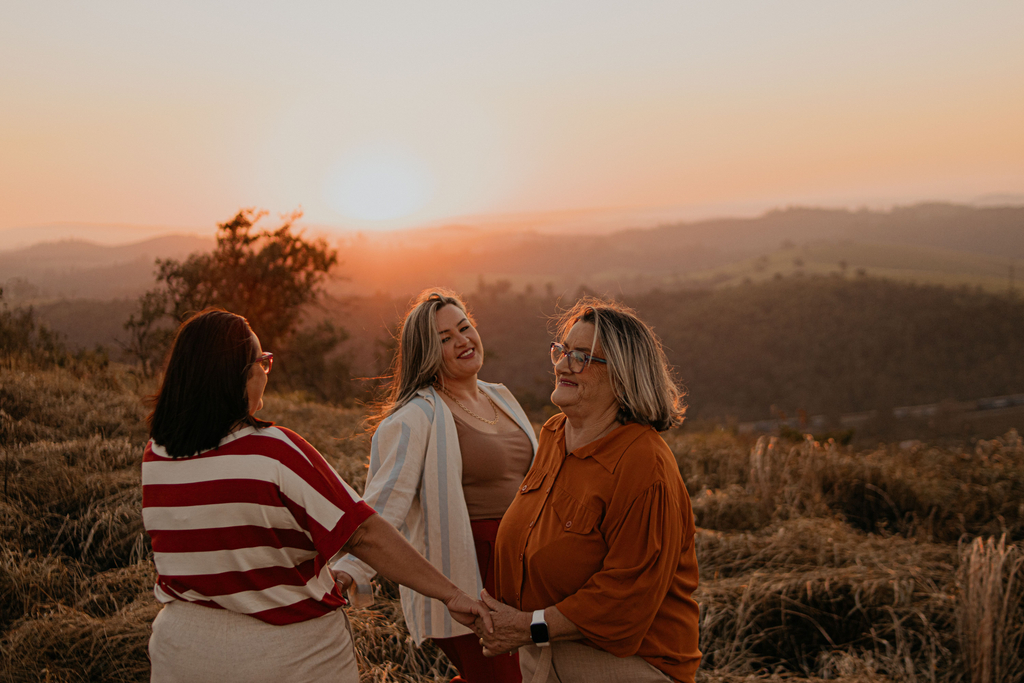
Women’s Drug and Alcohol Rehab in Louisiana at Longbranch
At Longbranch Recovery and Wellness in Abita Springs, Louisiana, we’re clinician led. I’m a licensed professional counselor. Everyone on our team is either in recovery or deeply passionate about it. If people don’t care about our patient’s recovery, they don’t work at Longbranch.
That care shows up in how we treat women, the women who entrust us with their care. We do not take that trust lightly. We take the time to understand what a woman is carrying in heart and mind, not just what she’s using. We built treatment for her.
While Longbranch is a co-ed program, we know women’s recovery also needs its own space. That’s why we offer women’s-specific groups, where women can do the deep, honest work alongside other women who understand.
In a women’s group, women can talk about:
• Trauma, abuse, and relationships without worrying about how a man in the room will react
• Motherhood, guilt, and the fear of losing their kids
• Their bodies, hormones, and sexuality
• What it’s like to be a woman in recovery, with people who actually get it
That doesn’t mean women never benefit from being in a room with men. Many good programs, including ours, are co-ed, and men and women in recovery can learn a lot from each other. All of the process groups at Longbranch are gender-specific so that women can do the hard work of healing, safely.
We also offer outpatient treatment so women can get care that fits their lives. That matters for moms, caregivers, and working women who can’t step away from everything at once. Whether you’re looking for outpatient rehab or need detox and residential, we’ll help you find the right level of care.
There is Hope
If you’re a woman who is struggling, please hear me. You are not a bad person. You are not broken. You do love your children and family. You are a person with an illness that is treatable. Women can and do get better every single day.
If you’re ready to talk, give Longbranch Recovery and Wellness a call. We’ll listen, answer your questions, and help you figure out what comes next, no matter what. If you’re not ready yet, that’s okay too. Keep reading, keep learning, and know that we’re here when you are.

Frequently Asked Questions
Women tend to develop substance use disorders and related health problems in less time than men, often after using smaller amounts. They are more likely to have co-occurring depression, anxiety, PTSD or eating disorders, and face barriers such as lack of childcare, fear of losing custody and fear of being judged.
A large share of women who seek substance use treatment have experienced trauma, including physical or sexual assault and intimate partner violence, and many began using alcohol or drugs to cope. Trauma-informed care emphasizes safety, trust, choice and collaboration so that a woman can address those experiences without being retraumatized.
Yes. Many co-ed treatment programs run gender-specific groups within a mixed program. At Longbranch Recovery in Abita Springs, Louisiana, the overall program is co-ed while process groups are gender-specific, so women can work through trauma, relationships and parenting concerns with other women. Outpatient options are also available.
Related treatment at Longbranch Recovery
Sources and further reading
- National Institute on Drug Abuse: Co-Occurring Disorders and Health Conditions
- National Institute on Drug Abuse: Treatment
- SAMHSA: National Helpline